3 min
Leftover Antibiotics: Risks and Safe Disposal Tips
Learn the dangers of keeping leftover antibiotics and how to dispose of them safely to prevent misuse and antibiotic resistance.
- leftover antibiotics
- antibiotic resistance
- safe medication disposal
- antibiotic misuse
- pharmacy advice
Understanding Leftover Antibiotics and Their Risks
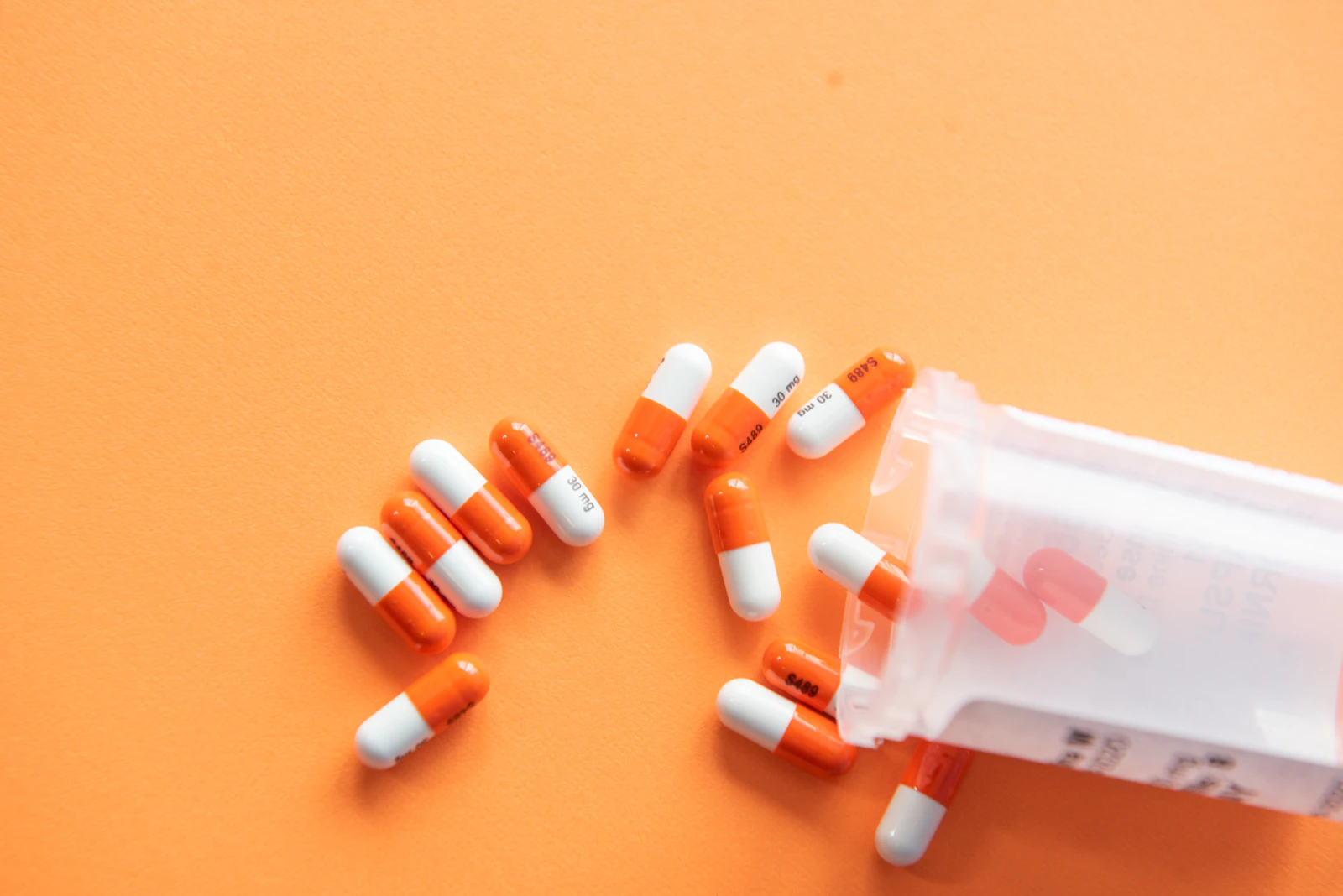
Antibiotics are powerful medications used to treat bacterial infections. However, it's common for patients to have leftover antibiotics after completing or stopping a course. While it might seem harmless to keep these medications for future use, leftover antibiotics pose significant risks to your health and the community.
Why Do Leftover Antibiotics Occur?
- Incomplete Courses: Sometimes, patients stop taking antibiotics once they feel better, leaving pills unused.
- Prescription Changes: Doctors might change your prescription or dosage after initial treatment.
- Overprescription: Occasionally, more antibiotics are dispensed than necessary.
Risks of Keeping and Using Leftover Antibiotics
1. Antibiotic Resistance
Using leftover antibiotics without a doctor's guidance can lead to improper dosing or incomplete treatment. This practice encourages bacteria to develop resistance, making infections harder to treat in the future.
2. Misuse and Incorrect Self-Diagnosis
Taking antibiotics for the wrong infection, such as viral illnesses like colds or the flu, can be ineffective and unsafe. Leftover antibiotics might tempt individuals to self-medicate without professional advice.
3. Potential Side Effects and Allergic Reactions
Using leftover antibiotics without proper medical supervision increases the risk of side effects or allergic reactions, which can be severe or life-threatening.
4. Drug Interactions
Leftover antibiotics might interact with other medications you are taking, leading to unexpected complications.

Best Practices for Handling Leftover Antibiotics
Always Finish the Prescribed Course
Take antibiotics exactly as prescribed. Completing the full course reduces the risk of leftover pills and helps fully eradicate the infection.
Never Share Antibiotics
Antibiotics prescribed to you are tailored for your specific infection. Sharing them can be dangerous and ineffective.
Consult Your Pharmacist or Doctor
If you have leftover antibiotics, ask your healthcare provider if it is safe to keep them or if you should dispose of them.
Safe Disposal of Leftover Antibiotics
Proper disposal prevents environmental contamination and reduces the risk of misuse.
Steps for Safe Disposal:
- Use Take-Back Programs: Many pharmacies and community programs accept unused medications for safe disposal.
- Follow Local Guidelines: Check if your community offers specific instructions or collection events.
- Do Not Flush or Throw in Trash: Flushing antibiotics can contaminate water supplies. Throwing them in the trash can lead to accidental ingestion.
- Mix With Unappealing Substances: If no take-back programs are available, mix antibiotics with coffee grounds or cat litter in a sealed plastic bag before disposing of them in the trash.
When to Escalate to a Pharmacist
- If you are unsure whether leftover antibiotics are safe to keep or use.
- To learn about local medication disposal options.
- If you experience side effects or reactions from any antibiotic.
Summary Checklist for Antibiotic Safety
- [ ] Always complete the full antibiotic course prescribed.
- [ ] Do not save leftover antibiotics for future use.
- [ ] Never share antibiotics with others.
- [ ] Consult a pharmacist or doctor about leftover medication.
- [ ] Use take-back programs or follow safe disposal guidelines.
Final Thoughts
Leftover antibiotics are more than just unused pills—they represent a potential public health risk through misuse and antibiotic resistance. Proper use and disposal help protect your health and the community. Always consult your pharmacist or healthcare provider for guidance on managing antibiotics safely.
Remember: This article is for educational purposes only and is not a substitute for professional medical advice. Always confirm medication use and disposal methods with your pharmacist.
Try it on iPhone: Pill Identifier & Drug Finder — AI-assisted visual guidance only; confirm with a pharmacist when it matters.
Educational content only. Not medical advice. Confirm every medication with a qualified professional.
Identify pills on your iPhone
Use Pill Identifier & Drug Finder for fast AI-assisted visual checks.